Thesis Studio in Responsive Environments
| Shenzhen Technology University, School of Design and Innovation | Environmental Design Thesis | Instructors: Cheng Zeng, Meikang Li | Spring 2025 |
This studio investigated how sensing, interaction, and environmental feedback could inform new forms of responsive spatial design. Students developed site-based design theses integrating Arduino-driven systems, environmental sensing, and real-time adaptive mechanisms to enhance human–environment relationships in urban public spaces.
StateShift: Adaptive Urban Park — Huang Jiamin Focusing on the urban residual spaces beneath Shenzhen’s overpasses, this design introduces rotating wall panels responsive to light intensity and crowd behavior. Using Arduino and light sensors, the project envisions a transformable social infrastructure where spatial form evolves with time, use, and public activity.
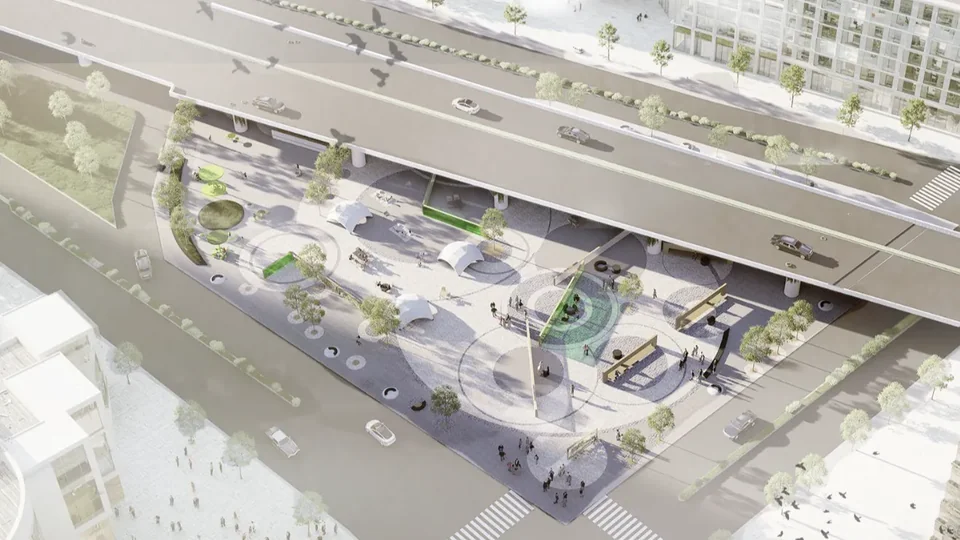
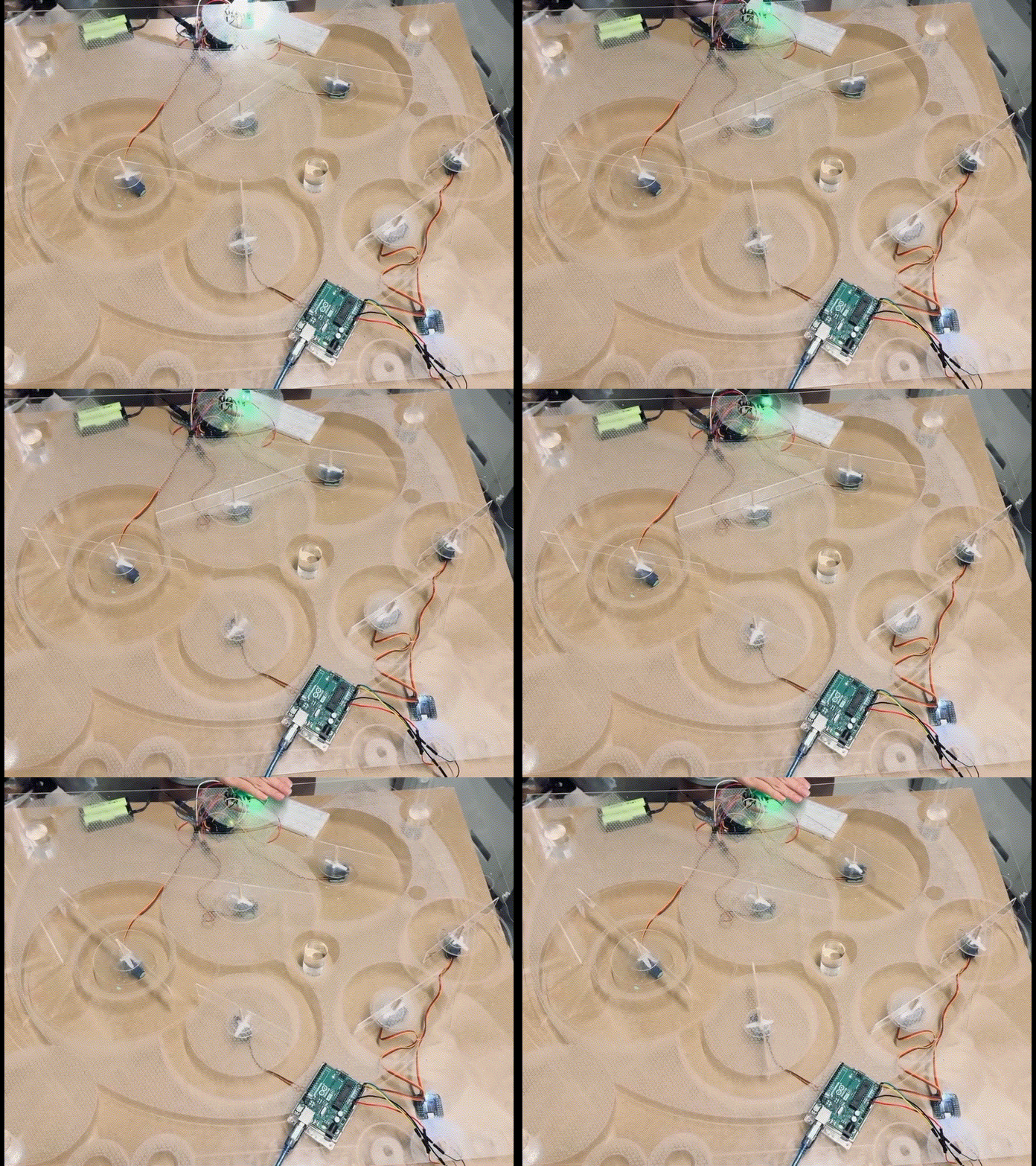
Soundscape Healing Park — Chen Silan Set in Liuxian Park, Shenzhen, this project explores how interactive acoustic devices can transform noise-polluted urban green spaces into therapeutic environments. Through sound sensors, micro-servos, and dynamic acoustic installations, the park becomes an adaptive “sound metabolism” system that mediates between noise and calm.
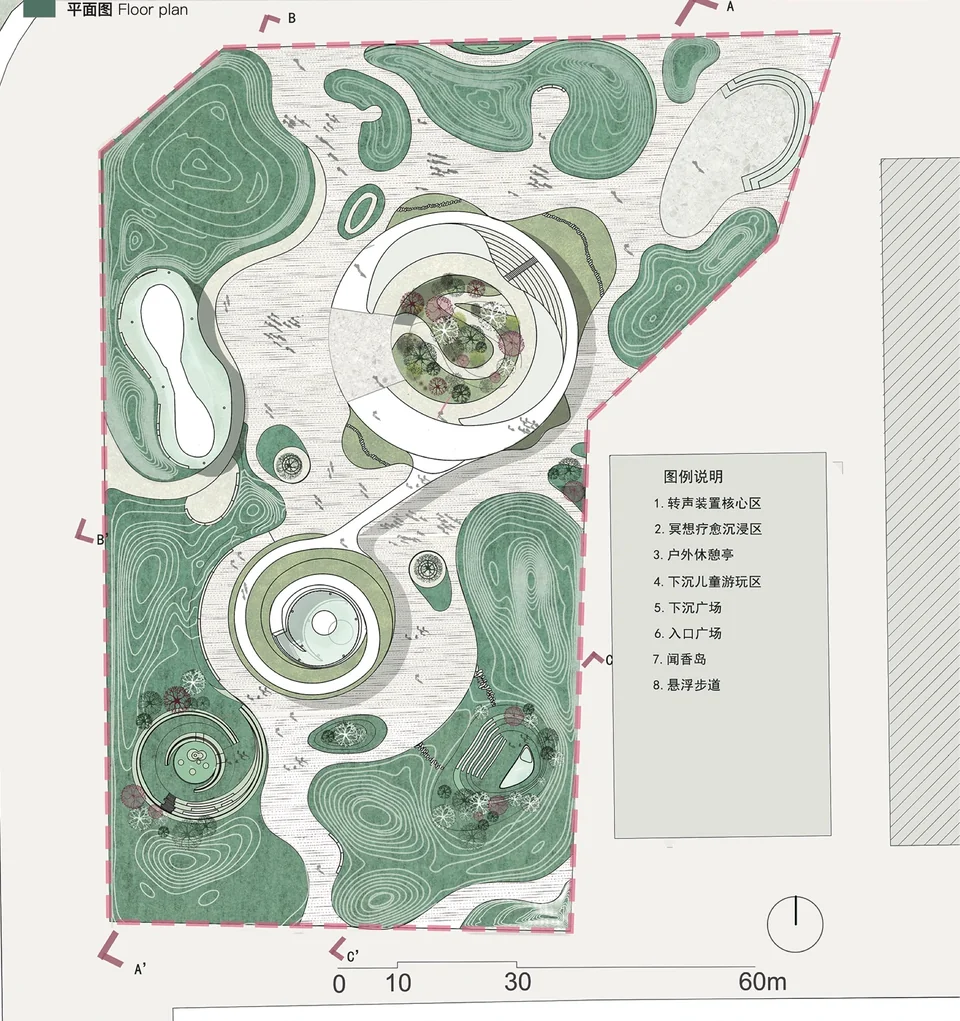
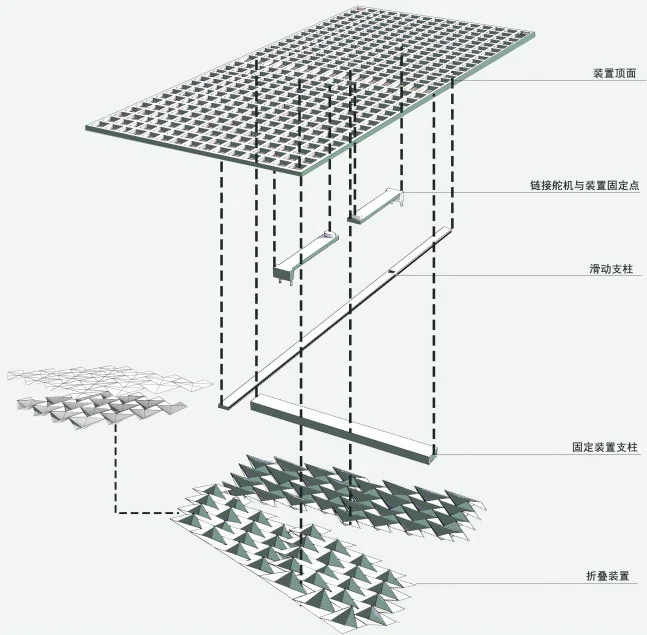
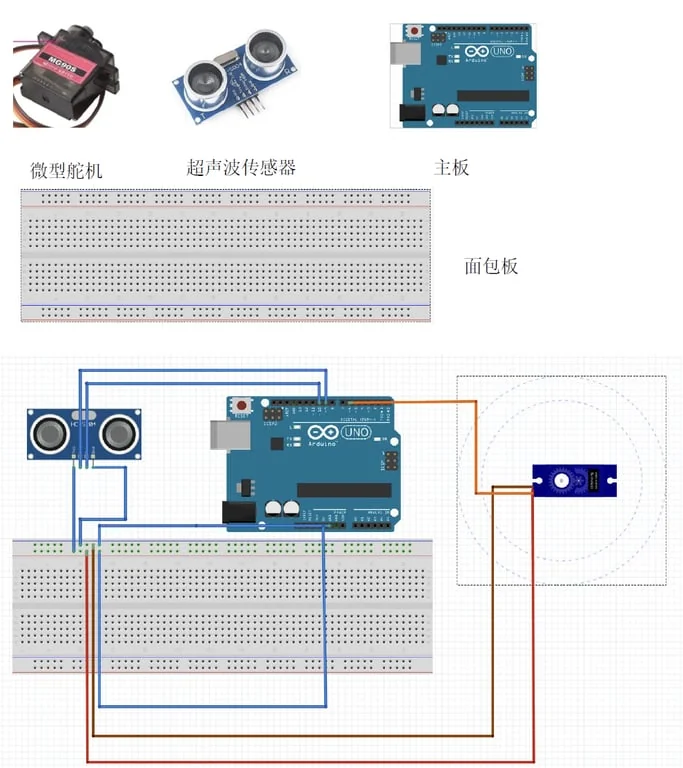
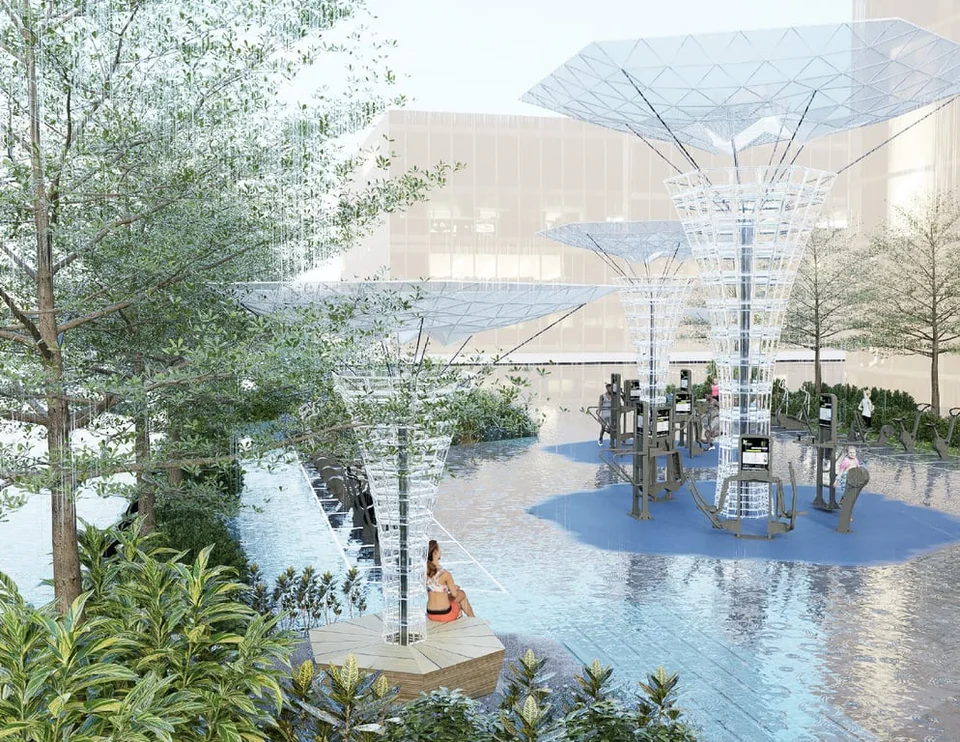
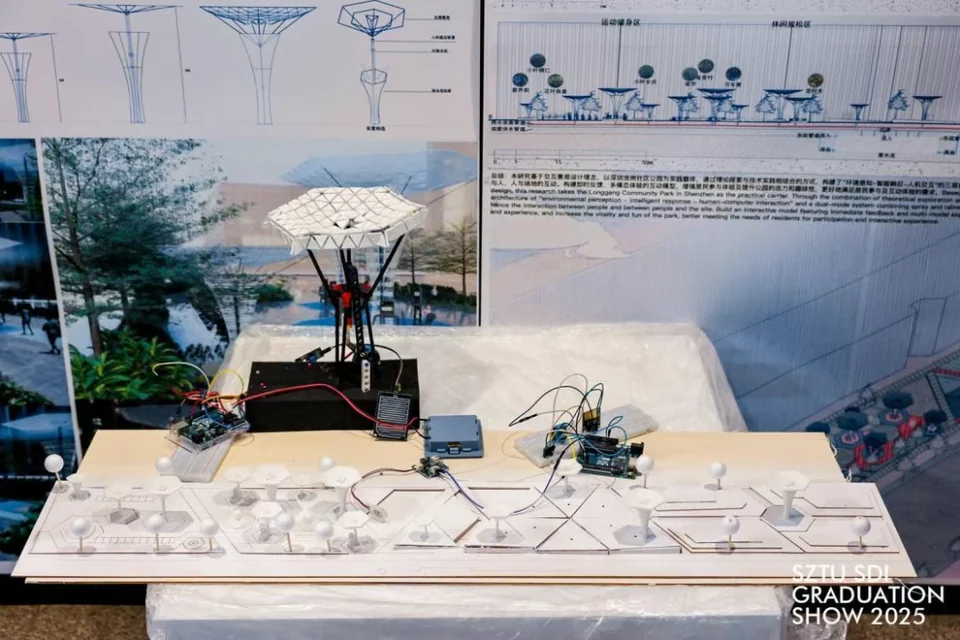
Interactive Community Park — Mo Xiaotong Anchored in Longgang District, this thesis proposes an interactive community park activated by temperature, humidity, and motion sensors. Responsive mist devices and water-collection systems create microclimates and playful feedback loops, enhancing comfort and engagement in high-density neighborhoods.
Across the studio, responsiveness was treated not as a technical gimmick but as a medium for empathy and environmental attunement—prompting students to rethink how design can sense, adapt, and heal.