Liminal Dream: A Monument to the Deferred
| *Harvard GSD Option Studio | Instructor: Emmanuel Christ + Christoph Gantenbein | 2017 Fall* |
On September 5, 2017, President Trump announced the termination of DACA (Deferred Action for Childhood Arrivals). The DACA program had protected those who were brought to the United States as children—people who grew up here, call this country their home, and wish to pursue their dreams as Americans. The end of DACA marked a moment when the idea of the “American Dream” fractured, when an entire generation of DREAMers suddenly found themselves excluded from the community they had long belonged to.
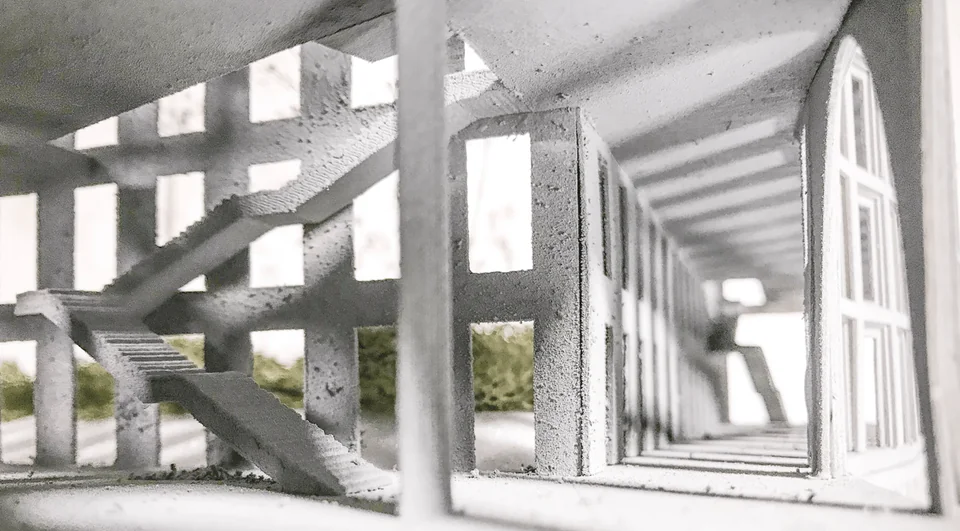
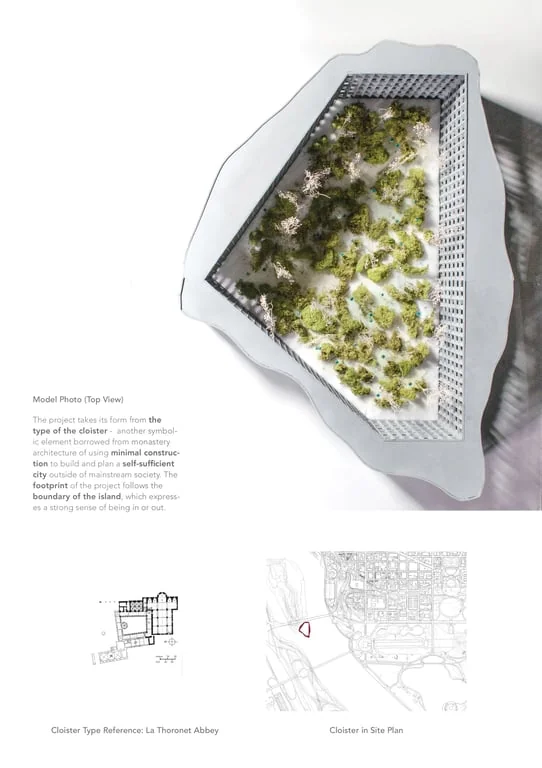
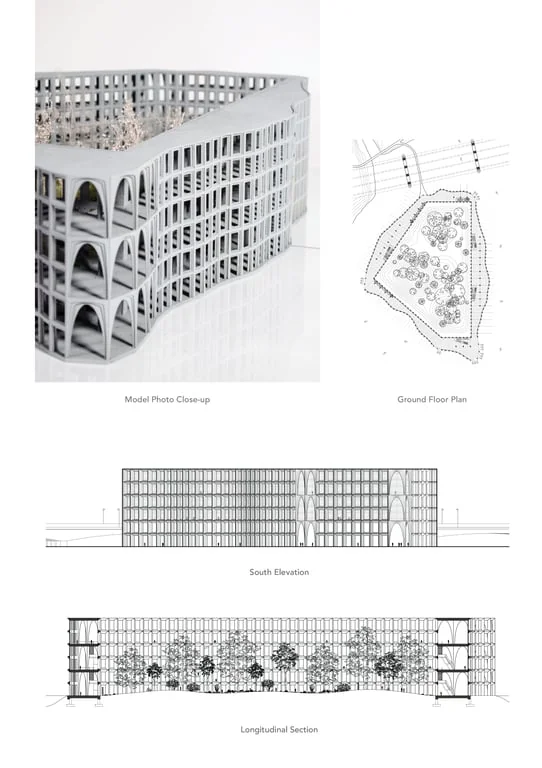
Situated on Little Island—a small piece of land in the Potomac River between Washington, D.C. and Virginia—the project occupies a site that is both visible and isolated, a spatial metaphor for the DREAMers’ condition: present yet unreachable, included yet denied. The project takes its form from the type of the cloister - another symbolic element borrowed from monastery architecture of using minimal construction to build and plan a self-sufficient city outside of mainstream society. The footprint of the project follows the boundary of the island, which expresses a strong sense of being in or out.
Liminal Dream serves as a contemplative monument to social exclusion and belonging. It questions whether the long-held promise of the American Dream still endures in today’s divided society, and whether a dream deferred can ever find its place again.